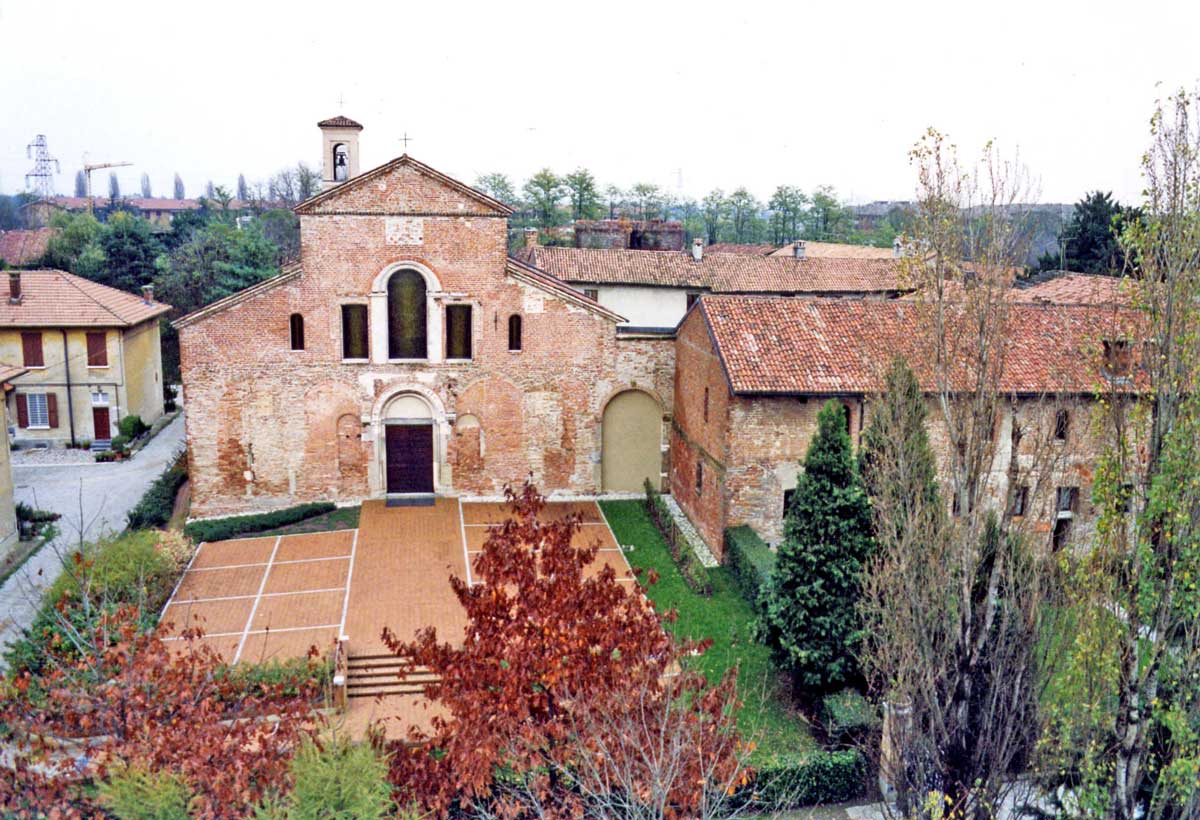
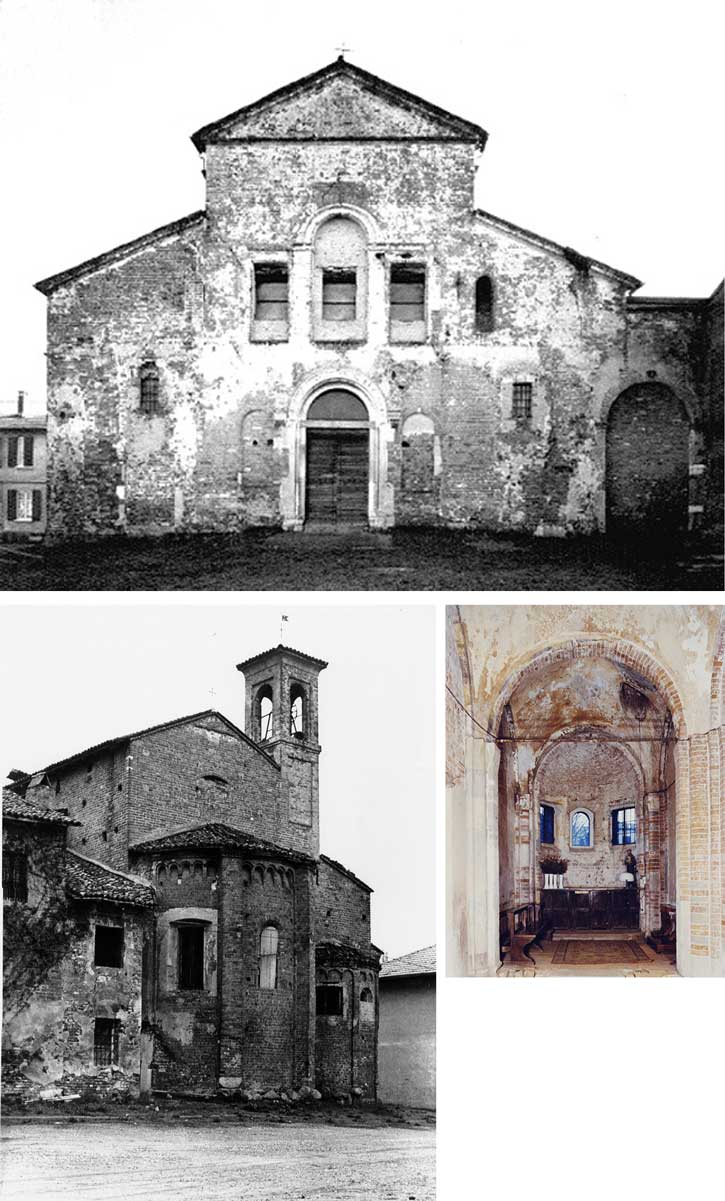
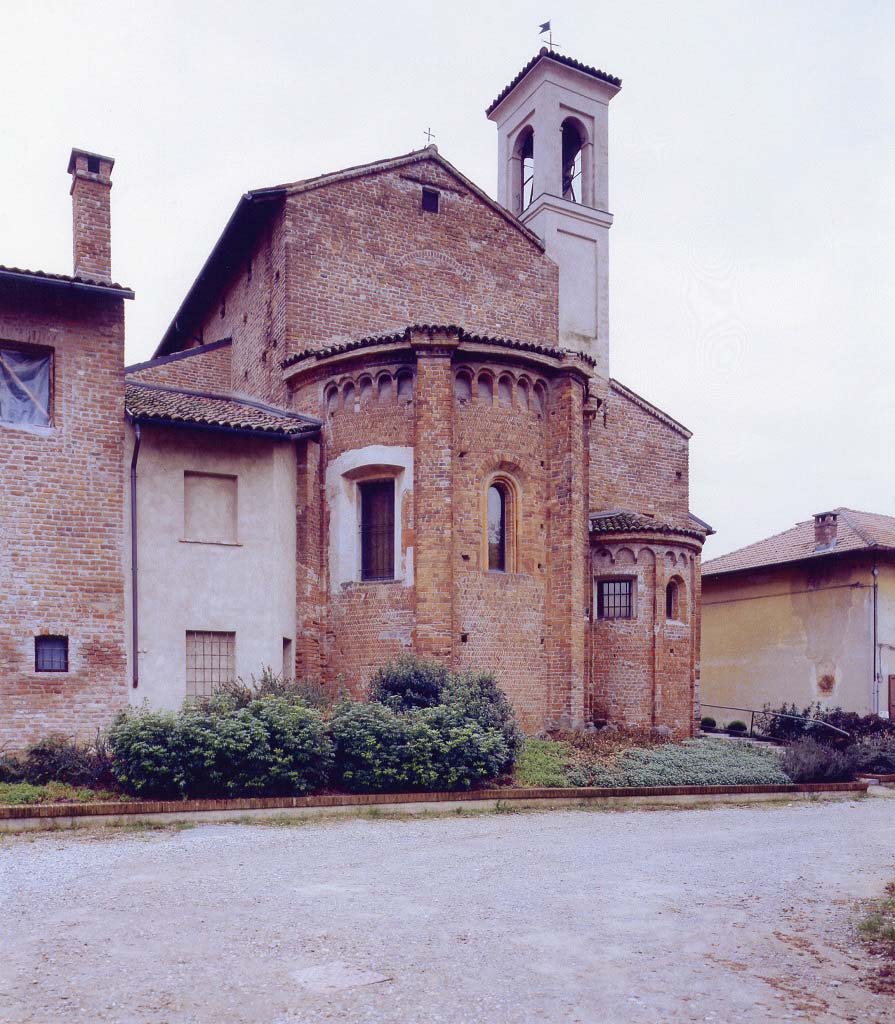
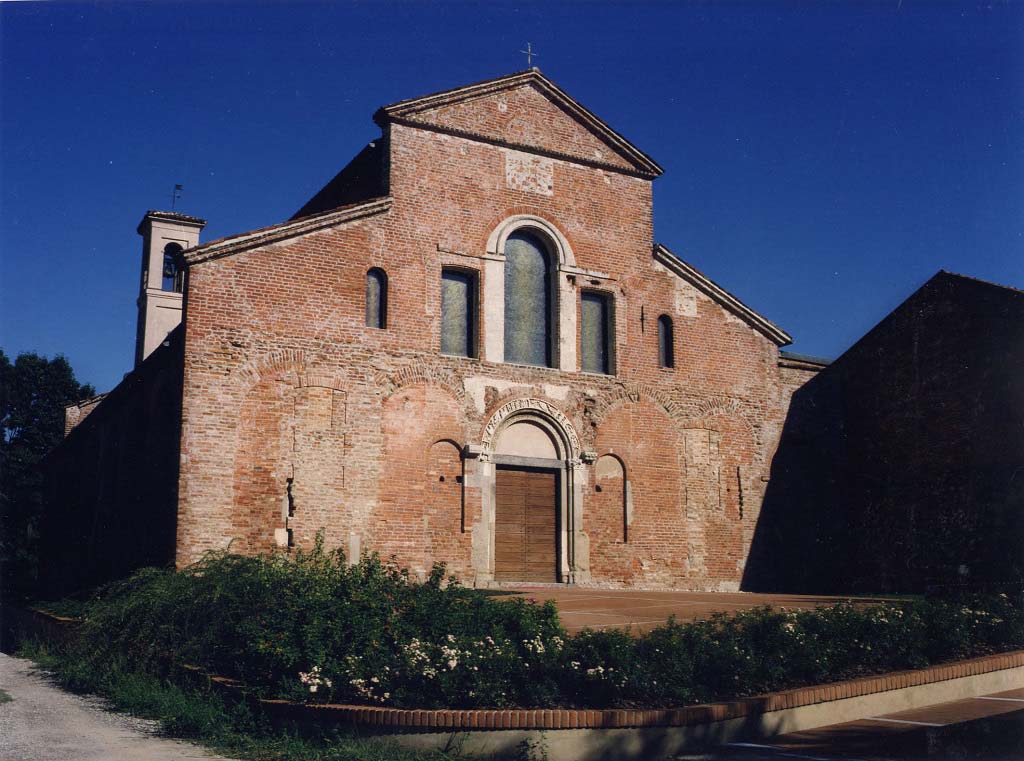
In 1992, the deteriorated monastic complex, owned by the Hospital of Vizzolo Predabissi, was partially transferred to the Parish, which received the deconsecrated church together with its churchyard.
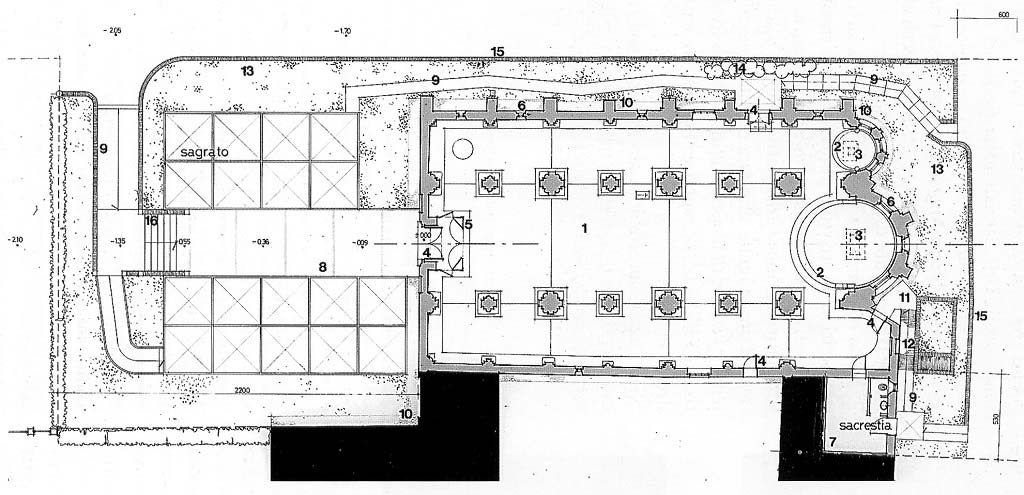
A subsidised loan granted by the Lombardy Region made it possible to undertake an extensive archaeological excavation campaign, revealing the remains of the original Roman fortified structure, the Carolingian place of worship and the foundations of the present-day religious complex.
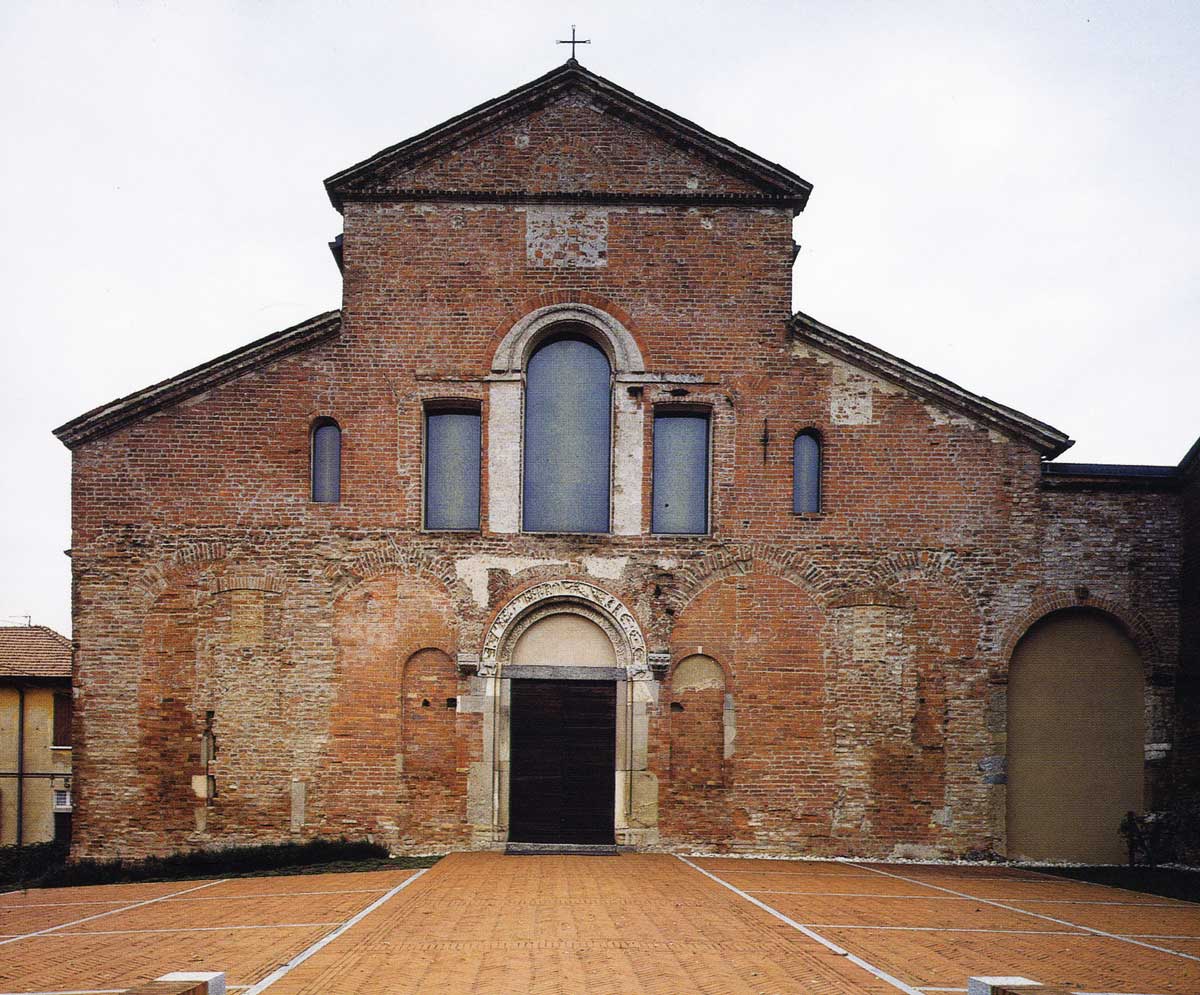
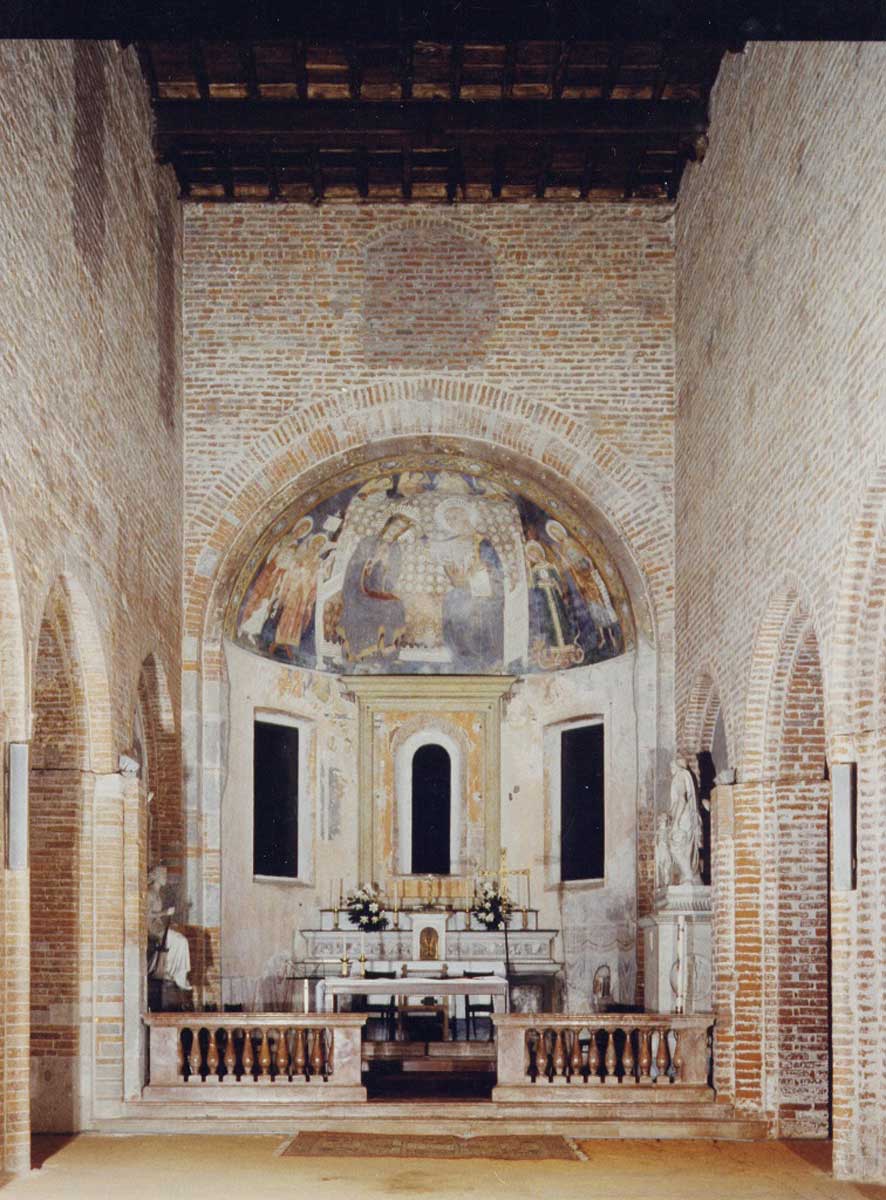
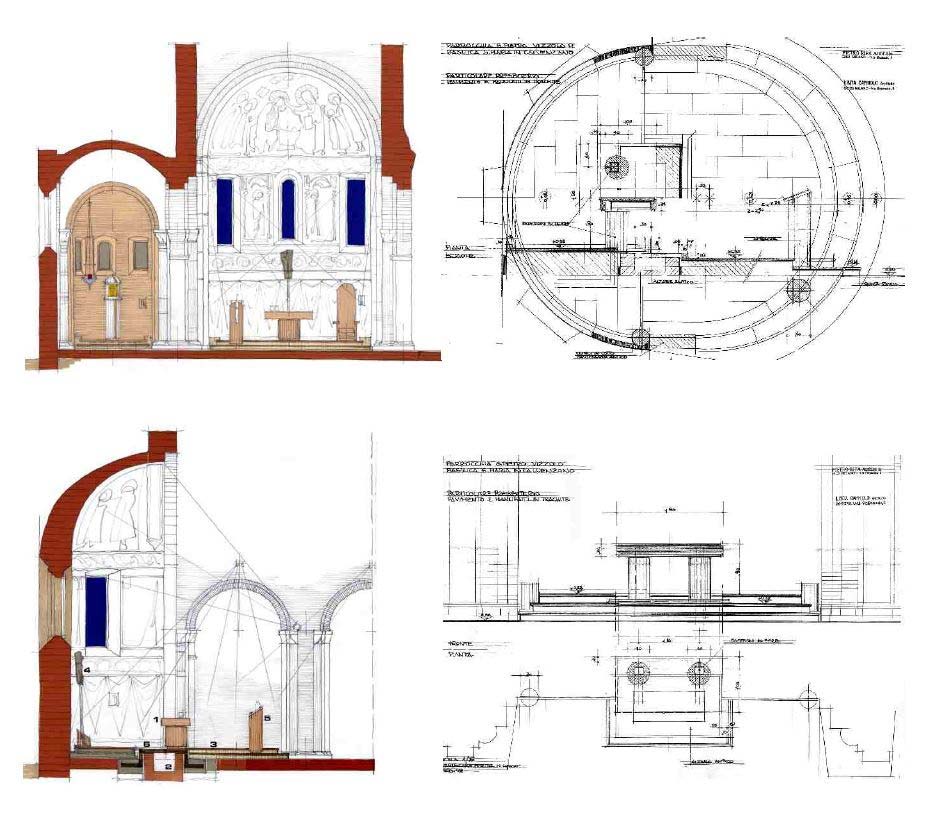
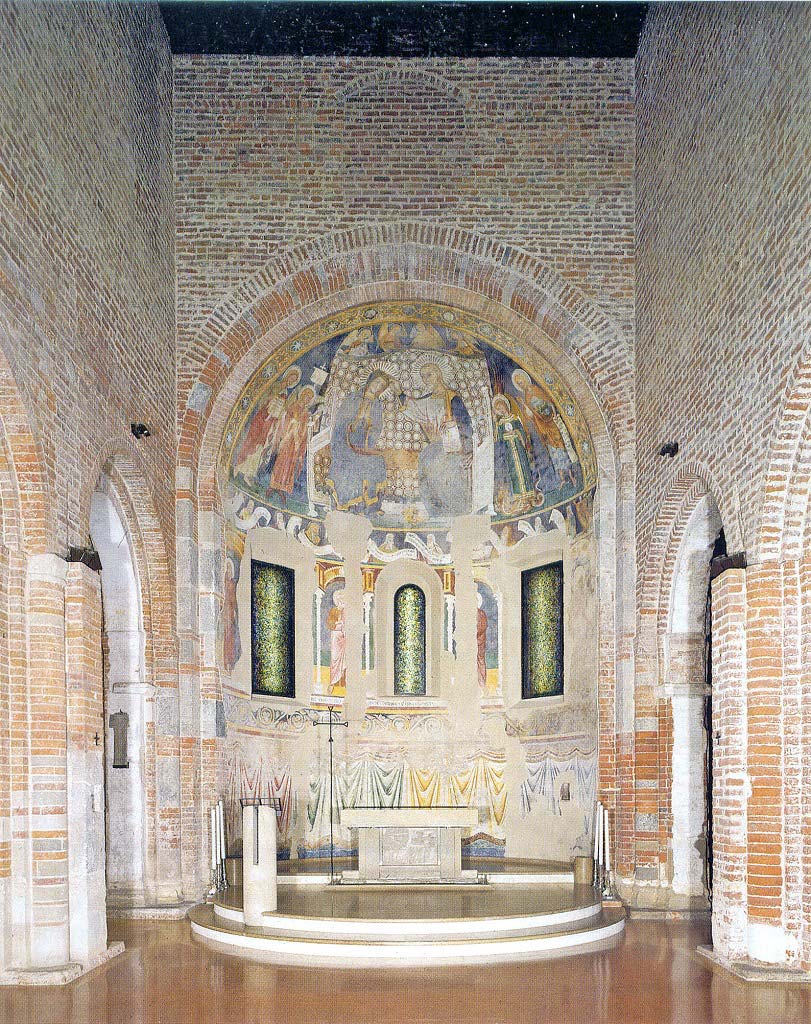
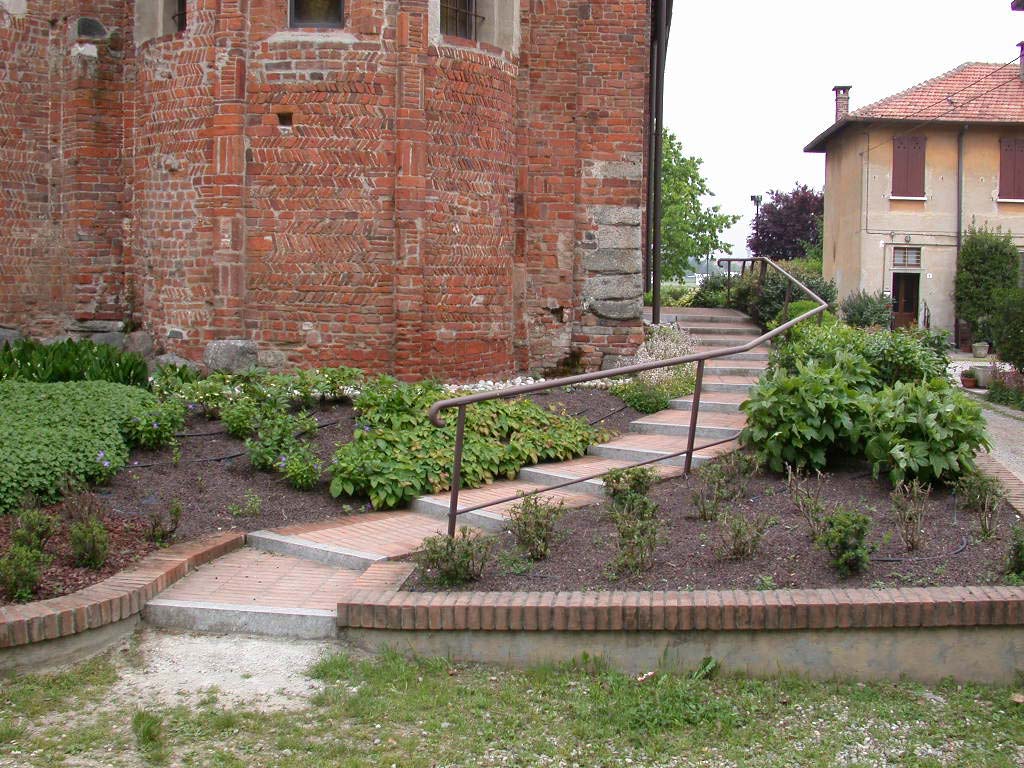
The restoration project, designed and directed by Architects Linda Capriolo, Pietro Ripa and Giorgio Ripa, involved the complete conservation of the church, the reconstruction of the churchyard, and the adaptation of the liturgical spaces through the creation of a new presbytery based on the archaeological discoveries.
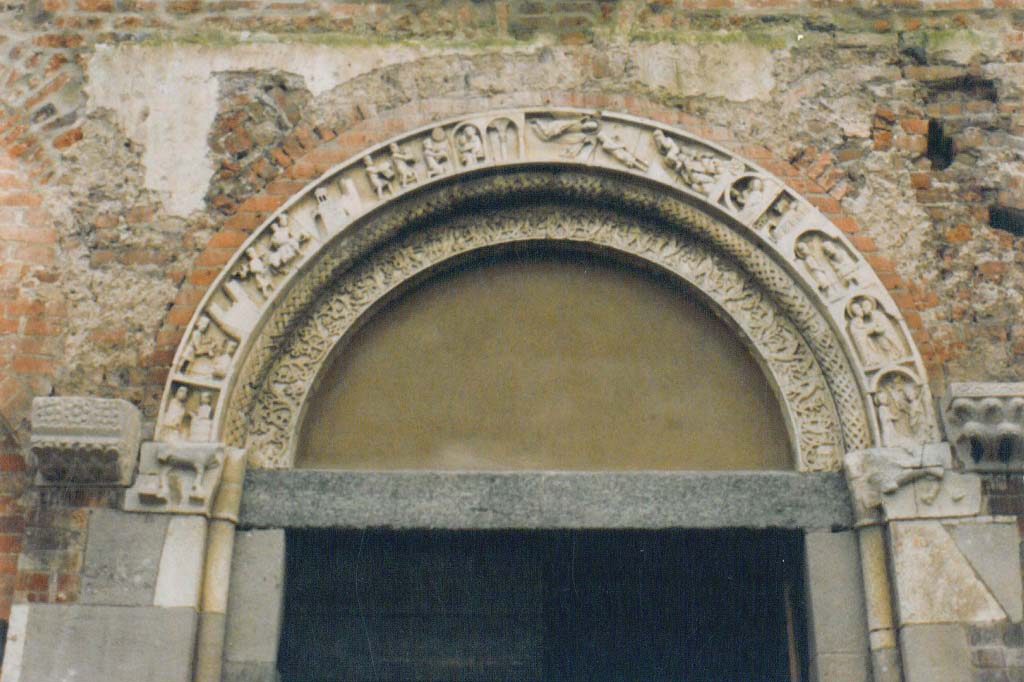
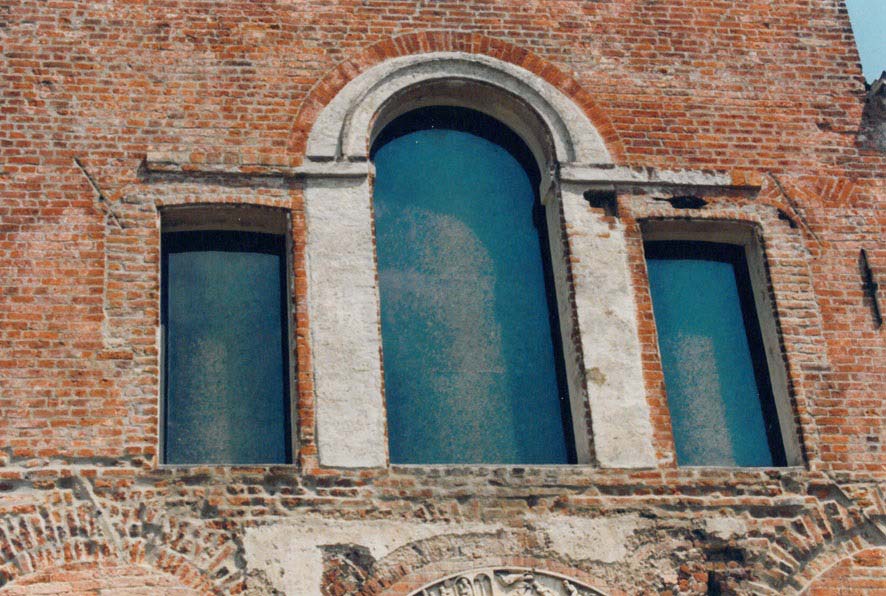
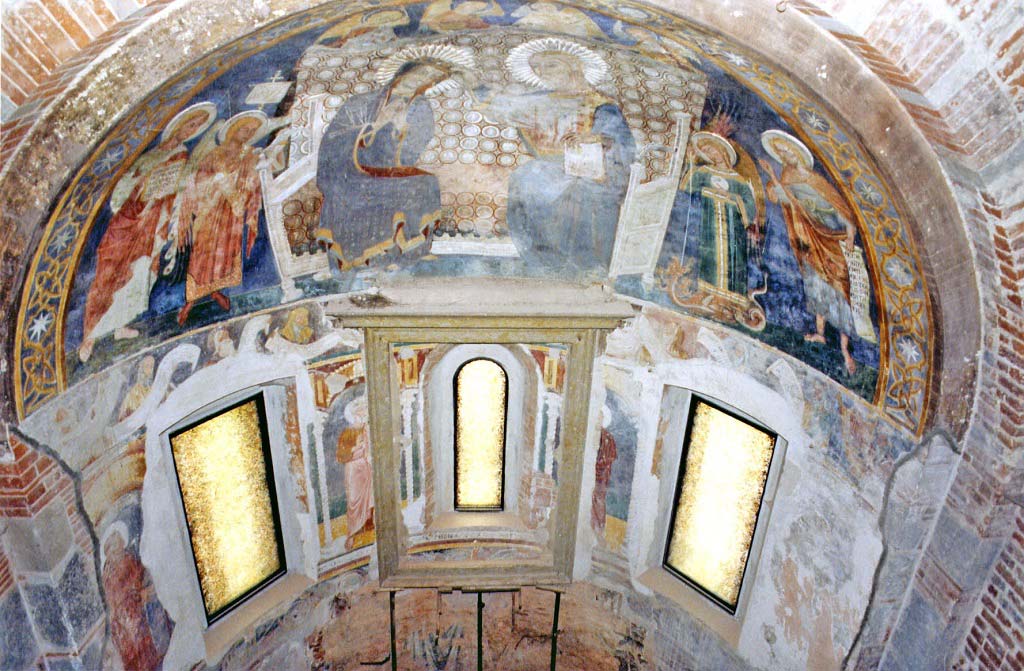
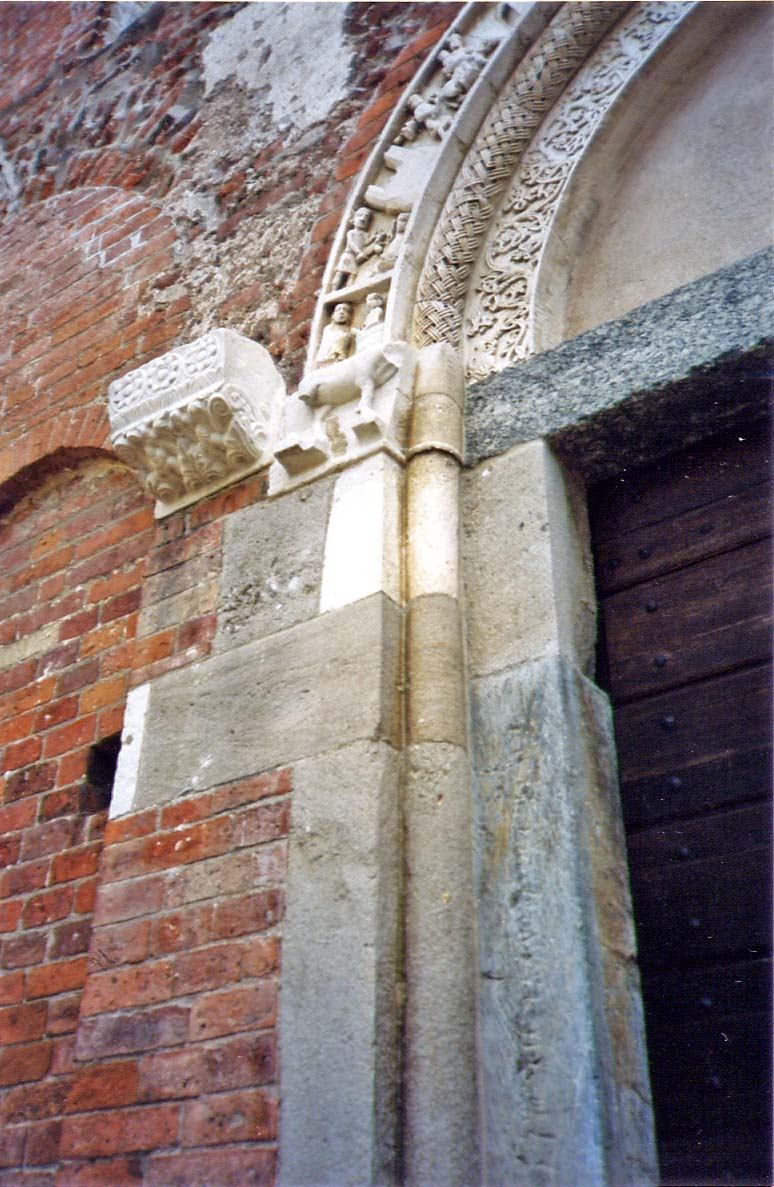
The works also included the restoration of the 13th-century fresco cycle, the Cluniac triumphal arch, the stone architectural elements and the 12th-century stone portal, distinguished by its concentric archivolts carved with scenes from the Gospels.
This highly sensitive restoration enabled the church to be reconsecrated and restored to active parish use during a ceremony presided over by His Eminence Cardinal Carlo Maria Martini.
In 2002, the Italian Ministry of Culture officially recognised the historical significance of the monument and the outstanding quality of the restoration, granting reimbursement under the provisions of Ministerial Decree 490/99.